Showing posts with label low back pain. Show all posts

Friday, January 6, 2017

Foundational Movement Exercises

It's the beginning of the year and you are setting your morning alarm, packing up gym clothes the night before, and getting yourself ready to jump into a "New You".  Before you decide to go from zero to hero, make sure your body is ready.  If you haven't seen the inside of the gym in a while or have to ask the person next to you how to operate the cardio equipment, please go over the moves below to keep yourself injury-free and set yourself up to accomplish your goals.

The exercises below build a foundation of movement.  They "prep" your body by activating important stabilizing muscles that help protect you against back pain, shoulder injury, knee pain, and more.  They also help improve rang of motion in your body so your are able to move through your squat, pull, or lunge with fluidity and grace.  Do this routine as a warm-up to get your body in a good space to work hard or as a full workout at home.

Remember, consistency beats intensity.  Exercise at a level you know you can maintain through the whole year, not a pace that makes you so sore you have a hard time sitting on the toilet the next day.

Cross Body Core Activation

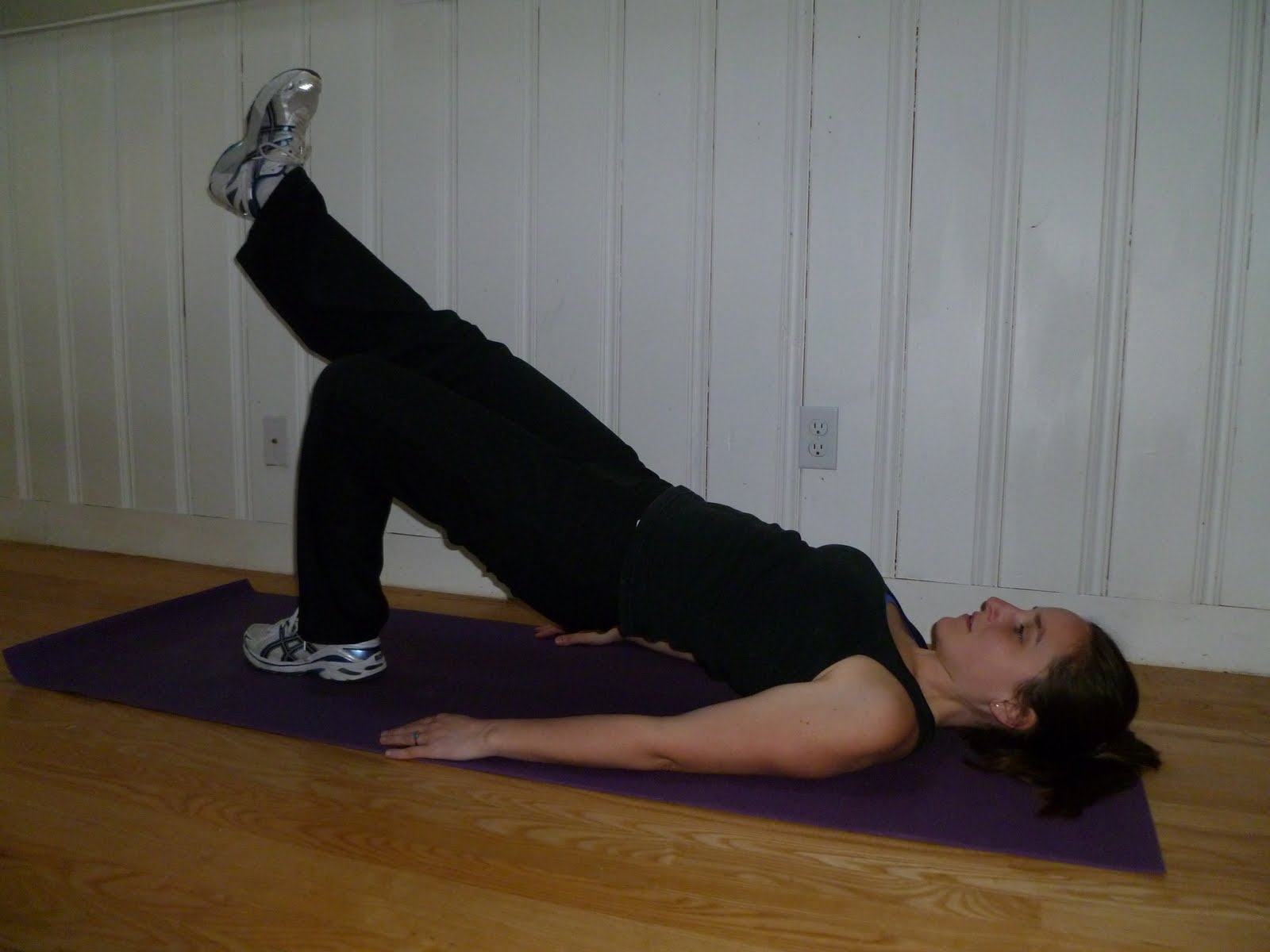
Bridge with Overhead Reach


Alternate Arm and Leg Reach

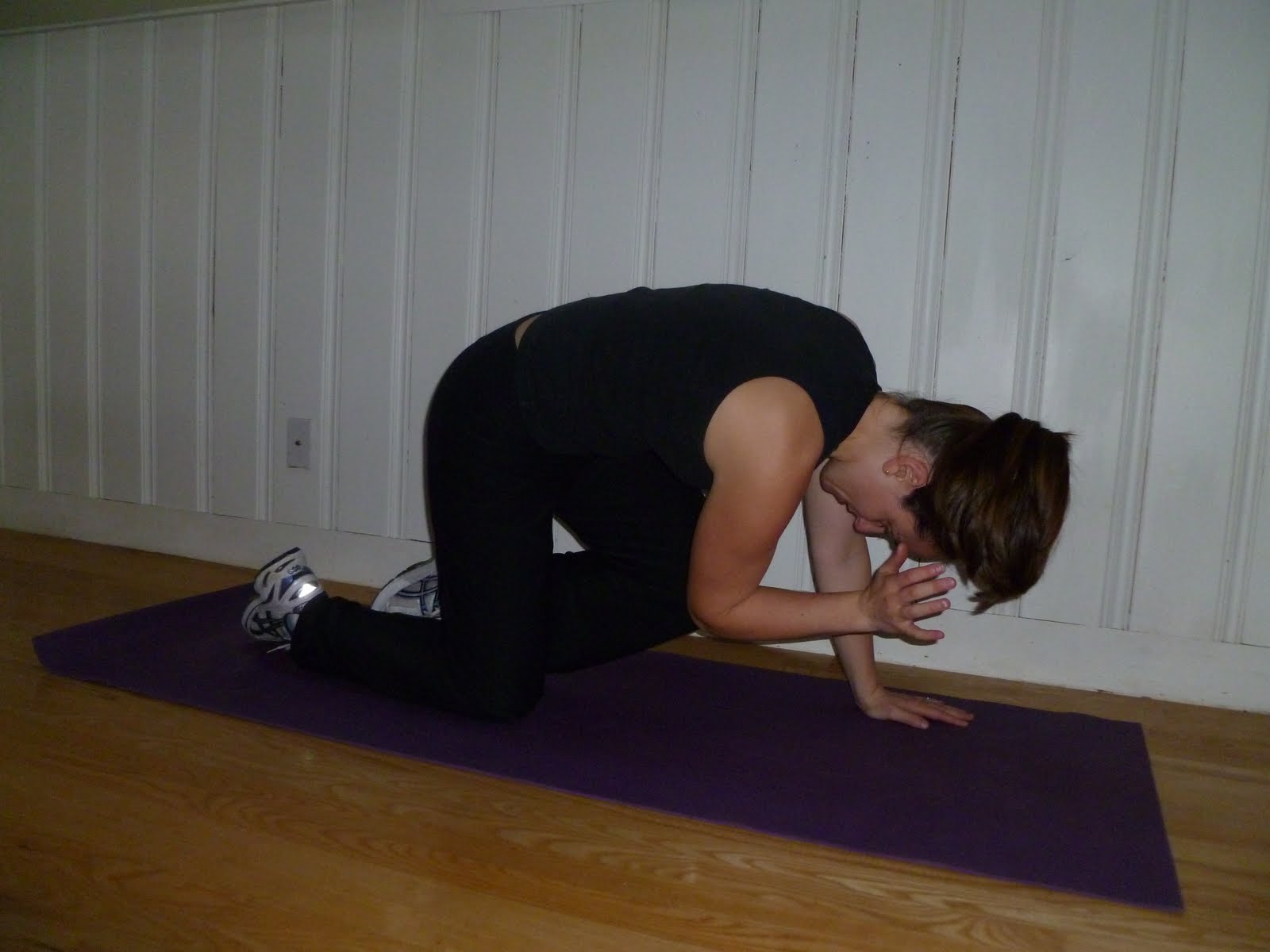
Kneeling Thoracic Twist

Standing Hinge

Dipping Bird

Squat

Lunge


Tuesday, April 7, 2015

3 Tips To Running The BolderBOULDER Pain Free

The countdown is on for the annual BolderBOULDER 10k.  This Memorial Day tradition will be on its 36th year and has gone from an inaugural 2,200 participants to over 50,000 participants that start in 90+ waves.  With Runner's World calling it "America's All-Time Best 10k", the BolderBOULDER is full of bands, crowds, and slip n slides.  Who wouldn't want to participate in this race?

Every year, when the days start to get a little longer and the weather gets a little warmer, we start to see clients coming in with sore knees, cramped calves, or sore backs.  The culprit is always the same - running.  I am not saying running is bad for the body, I think it is a good way to get some cardio with limited equipment and you can do a lot in a limited amount of time.  The problem is when people go from zero to hero.  They take off running 3-5 miles with the dust that has been collecting on their sneakers since October.  This brings us to our first pain-free tip...

Ease In To Your Running Program
Even if you could head out your door last fall and put in 5 miles easy on your Wednesday run, that does not mean your body is ready to go after a winter hibernation.  I hate to break it to you, but you are 1 year older and 6 months out of shape.  Start slow with your running, adding miles as you add consistent runs to your week.  General rule of thumb, only do what your body can handle.  If you feel your body breaking down or not recovering fully, the run was too long.  Remember, you run to be healthier and stronger, not to break your body down.  Which bring us to our second tip...

Allow Your Body To Recover
Overtraining will cause you to feel exhausted, suck your motivation, and potentially lead to injury.  Your body builds its strength during the recovery phase.  Muscles rebuild and grow and are able to handle a heavier load after recovery.  Take days off and start training early enough that you are not trying to cram miles in at the last minute.  Which leads us to our third tip...

Prepare
I don't mean buy cute running shorts that match your brand-new neon sneakers.  I mean prep your body for your race.  Get your goal mileage in at least a week before your race, fuel your body with the appropriate amounts of carbs, fats, and protein to get your energy up to the level of the Tasmanian Devil, and cross-train and stretch to prevent injury.  Use the challenge of the 10k to make your body healthier and stronger all over.

With just under 7 weeks to go, or in other words less than 50 days, you better start your running program for the BolderBOULDER.  Remember the tips: Start slow, rest your body, and prepare for the race.

For more information on how to prepare for the race, please email me at info@KoaFitUSA.com.

Sunday, January 20, 2013

The Importance of Stretching

This week I was working with a new client in her 60's who was experiencing knee and low back pain.  The client rides her bike frequently and leads an active lifestyle so when she began to get pain she was shocked that it stayed with her for over a week.  She was frustrated that she had been consistent with exercise and yet she still wasn't strong.  I quickly let her know that it was not strength that was the issue, but her lack of mobility and range of motion.

I see this so often in my clients.  Motivated to improve their health and fitness through endurance activities like running, biking, walking, swimming, and dancing, they forget to care for their bodies with stretching, foam rolling, and massage.  Over time, the repetitious nature of these sports and activities start to take their toll on the body.  Joints become stiff, muscles break down, scar tissue builds up, and range of motion becomes limited.

This limited mobility can be a catalyst for many other breakdowns in the body.  It limits strength and power output by restricting the length a muscle can move and therefore how much of the muscle can be used.  Our bodies create compensation patterns to make up the difference in range of motion that can lead to pain and injury up and down the kinetic train.  The stress on tendons and ligaments increases as the muscles become less pliable and flexible leading to tendonitis and tears.

Luckily, there are simple ways to prevent and reverse limited mobility.  Look below to see the 3 most common:

Stretching

Stretching is the easiest and most convenient way to avoid injuries due to tightness and lack of flexibility.  Stretching can be done anywhere - on the living room floor, standing by a car, in a tent - and provides some of the best results.  Below are a few guidelines:

Guidelines


  • Hold stretches for at least a minute, but can be held for longer.
  • Make sure your back stays long and straight.  Don't try to gain more range by putting stress on your spine.
  • Your muscles should be warm when you stretch.
  • Add variety - don't repeat the same stretches every time.
Stretching Resources


Foam Roller

The foam roller is a great way to stretch the connective tissue known as fascia.  Rolling can be like a self -massage if done correctly.  Rolling is the best thing you can do for tightness of your IT band, mid-back, and for knee pain.

Guidelines
  • Roll slow.  Let your body sink onto the roller to get the full benefits.
  • Be consistent.  The more you do it, the less it will hurt.
  • Take your time.  Spend minutes not seconds rolling out your body.
Foam Roller Resources


Massage

Getting a massage is the best!  It is also great for your body.  Having an experienced massage therapist target the tightness in your body is the most personalized way to gain range of motion.  It is usually the most expensive way as well.  Adding in a monthly massage will help limit your pain and decrease the chance of an injury.  Click below for links to find an experienced massage therapist.

Massage Resources

Thursday, December 16, 2010

Quick Core Routine

Having a strong core is important to everyone. Athletes need strong cores to stay balanced, prevent injury, and create more power. Working people need to combat the damage that is done while sitting at a desk or standing all day. New moms need to regain strength after their pregnancy and a strong core helps prevent back pain. No matter who you are, a strong core can help you in your daily life movements of pushing, pulling, twisting, lifting, etc.

This quick core routine can be done at home or at the gym. All you need is space, a mat, and yourself.

Core Routine

Alternate Arm and Leg - 10x each side.
Start on all fours and extend your right arm and your left leg(See picture at far left). Tightening your tummy, balance in this position and then slowly draw the left knee to the right elbow as you round your back (See pic to the left). Extend the arm and the leg and return to your start position. Perform the movement ten times, then switch to the other side.

Plank - Hold 30sec - 60sec
Place your forearms and elbows on the mat, with your elbows directly below your shoulders. Straighten your legs behind you with your knees off the mat. Your body weight should be held up by your elbows and toes. Pull the belly-button in and try to lengthen your torso, making sure your hips do not sink to the floor or raise to the ceiling. Hold this position. If you feel this exercise in your back. Drop to your knees for a modified version.

Plank with Leg Raise - 10 - 15 lifts on each side
Start in the plank position described above. Maintaining your position, slowly lift your right foot off the floor followed by your left. Continue to "march" left then right for 10 - 15 lifts on each side. Make sure belly does not sag and hips do not lift towards the ceiling.


Side Plank - Hold 30sec - 60sec
Roll to one side. Line up your shoulders, hips, and feet so you are in a straight line. Prop your elbow directly under your shoulder with your forearm perpendicular to your body. Lift the hips up so that you body weight is held up by your feet and your elbow. Make sure hips do not twist or get pushed forward or backward from the line of your body. Hold and repeat on the opposite side.


Side Plank with Leg Lift - 10 - 12 lifts each side
Start in the side plank position except bend the knee of the bottom leg. Raise your hips up using your knee and your elbow to hold your body weight. Straighten and lift the top leg towards the ceiling. Make sure the foot and leg do not twist. Repeat 10 - 12 times then repeat on the opposite side.


Single Leg Bridge - 10-12 each side
Start lying on your back, knees bent and feet flat on the floor. Extend one leg straight out so the knees are parallel. Place your hands palms down on the floor. Tighten your torso, push through the heel of the foot on the floor and raise your hips towards the ceiling. Slowly lower to your starting position. Repeat 10-12 times then repeat on the other side.


Hip Extension - 10-12 each side
Start on all fours with your hands beneath your shoulders and your knee below your hips. Contract your core by pulling your belly-button to your spine, keeping your back flat. Extend the left leg straight out behind you so that it is level with your torso. Squeeze your butt and hamstring to raise the leg slightly up towards the ceiling. Don't let your back arch! Do 10-12 repetitions and then repeat on the other side.

Superman - Hold 15sec-1min
Start face down on your mat, arms reaching above your head. Tighten your core by lifting navel to your spin and bring your stomach slightly off the mat. Keeping your core tight, raise arms and legs up towards the ceiling. Keep breathing! While holding try to straighten arms and legs as much as possible. Hold for 15-60 seconds.


Back Extension - 10-12 repetitions
Start lying face down on your mat. Tighten your core, straighten your legs, and gently lift your head, shoulders, and chest off the ground. Try to reach legs straight and back as your lift. Hold for 2 seconds then return to your starting position.


If done correctly, core exercises can help support and lengthen your spine while giving you more power through your activities. It is important to start gentle. Also, if you have an occurrence of pain, stop immediately. As always, consult your physician before starting any exercise program.

Wednesday, November 3, 2010

Low Back Pain?

Why Exercise?

Exercise and staying active may relieve low back pain and can help speed your recovery. Stretching and strengthening your stomach, back, and leg muscles helps support your spine and reduce pressure on your discs. This may help prevent disc injury.

Low-impact aerobic exercises such as walking and swimming also help you maintain a healthy back. Aerobic exercise makes your heart and other muscles use oxygen more efficiently and muscles that frequently receive oxygen-rich blood stay healthier.

Talk to your health professional before you start an exercise program, and only do exercises that do not increase your symptoms.

What Type of Exercise?

Most people who have back pain naturally feel better by doing certain motions. Some feel better sitting (back in flexion), while others feel better standing (back in extension). Exercise that moves you toward your more comfortable position is usually more successful in treating your back pain. For example, if you are more comfortable sitting down or in flexion, exercises that bend you forward such as knee-to-chest exercises may help you.

Avoid exercises that put weight above waist level, like overhead presses, or exercises where your back is not supported.

How to Exercise?

Flexion Exercises

Knee-to-chest – Single Leg

1) Lie on your back, legs bent at the knee, feet flat on the floor.

2) Pull your right knee to your chest with both hands and give it a hug. *You can extend the opposite leg flat on the floor if it gives you a better stretch and does not cause pain.

3) Hold for 20-30 seconds and repeat with the opposite leg.

Knee-to-chest – Double Leg

1) Lie on your back in same starting position as above

2)Pull both knees into the chest.

3) Hold for 20-30 seconds.

Hamstring Stretch in Doorway

1) Lie on your back in front of a doorway with one leg extended through the doorway.

2) Extend the opposite leg up the side of the doorway as far as you can without arching your back or raising your hips off the ground.

3) Hold for 20-30seconds and then switch sides.

Wall Squats

1) Lean your back against a wall and move your feet out about 12 inches from the wall.

2) Pressing your low back into the wall, slide down to a seated position.

3) Hold for a count of 10-15 then slide back to standing. Repeat 10-12 times.

Extension Exercises

Press-ups

1) Lie on your stomach with your hands under your shoulders.

2) Slowly push your shoulders away from the floor leaving you hips on the ground.

3) Only go as high as is comfortable, do not push past pain.

4) If needed, bring your elbows to the floor to allow you to hold yourself in the position for several seconds.

Alternate Arm and Leg

1) On your hands and knees, tighten your core to stabilize your back.

2) Once stable, raise your right leg straight and behind you keeping your hips level.

3) Once comfortable, raise your left hand straight and in front of you.

4) Hold for 5-10 seconds stretching the arm and leg to opposite ends.

5) Release and repeat on the other side.

Bridging

1) Lie flat on the floor, legs bent at the knee, feet flat on the floor.

2) Place your hands at your sides and slowly squeeze your butt and raise your hips to the ceiling.

3) Hold for a few seconds then return to your starting position. Repeat 10-12 times.

As your back gets stronger you can add more advanced exercises. Consult with your healthcare provider before changing or increasing your exercise program.

Additional Advanced Exercises for Core and Back

1) Plank

2) Lat pull-downs

3) Stability ball exercises including bridges and squats

4) Lunges

5) Side leg raises

For more information please feel free to email me at anytime.